Myria has released its first comprehensive mapping of quantitative data on minor victims of human trafficking and aggravated forms of smuggling in Belgium. The report aims to provide a clearer statistical basis for understanding the situation of minors at risk, while also highlighting structural gaps in current data collection and sharing practices.
Main Theme: Vulnerable groups, Data & Statistics, Smuggling & Trafficking
Keywords: victim of trafficking, victim of smuggling, minor, data collection, figures
The medical office run by Médecins du Monde within the Humanitarian Hub in Brussels will cease its activities on 31 March 2026. The closure follows the recent shutdown of the Athena Medical Centre. According to the organisation, this will further reduce access to primary healthcare for vulnerable groups in the capital. Médecins du Monde has warned of likely consequences for emergency services and for people with limited access to care.
Main Theme: Vulnerable groups, Asylum, Migration
Keywords: Humanitarian Hub, Brussels, access to healthcare, vulnerable persons
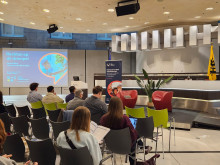
On 20 November 2025, EMN Belgium attended the launch of the annual report "Rechten op de drempel" by the Flemish Children’s Rights Commissioner, on the occasion of International Children’s Rights Day. The report highlights persistent challenges affecting foreign children and young people in reception centres, including disparities in living conditions, safety, hygiene, and access to basic needs.
Main Theme: Vulnerable groups, Reception
Keywords: child, applicant for international protection, reception centre, minimum standards
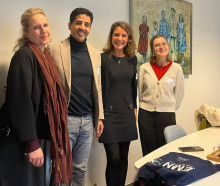
On 4 November 2025, two EMN Belgium colleagues met with the General Delegates for Children’s Rights, Caroline Vrijens (Flanders) and Souleymane Laqdim (French Community), accompanied by two of Ms Vrijens’ team members. The meeting was highly cordial and provided an opportunity for open discussion and in-depth dialogue on shared concerns and potential avenues for cooperation. Key topics included the challenges faced by migrant children in Belgium.
The Fedasil Info Point in Brussels has been supporting asylum seekers and other migrants for two years, providing accessible and centralised information in one location. Since reopening on 27 September 2023 at the former Bordet Hospital site, it has welcomed over 22.000 visitors, mostly single men with ongoing asylum procedures. Visitors most frequently ask about accommodation, medical care, legal support, and other practical matters. Partners such as Caritas International and the European Union Agency for Asylum (EUAA) assist in providing guidance and support.
The Belgian Minister for Equal Opportunities, Rob Beenders, has launched a campaign aimed at employers, HR professionals and relevant actors to promote gender equality in the workplace. It particularly highlights the challenges faced by women of foreign origin and draws on a recent report showing that they encounter structural difficulties, such as precarious work and under-employment. A podcast complements the campaign by giving a voice to migrant women and illustrating their resilience in the face of these obstacles.
Main Theme: Vulnerable groups
Keywords: migrant women, labour market, gender equality, inclusion

On 4 September, the non-profit organisation Mentor Jeunes held an online information session for families willing to foster unaccompanied foreign minors. The initiative highlighted foster care as an alternative to collective centres, offering children a safe and structured home environment. It also explained the individualised support available to both families and young people, aiming to encourage more households to consider joining the programme.
Main Theme: Vulnerable groups
Keywords: unaccompanied foreign minor, foster family
The European Commission has formally established the Network for the Prevention of Child Sexual Abuse. This expert group will bring together policymakers, practitioners and researchers to tackle abuse both online and offline. Prevention efforts aim to protect children and address potential offending behaviour. The initiative forms part of the EU Strategy for a more effective fight against child sexual abuse.

In 2024, 774 unaccompanied foreign minors were reported missing in Belgium—nearly fifteen every week. Around 100 of these cases were considered particularly alarming. The figures, disclosed in response to a parliamentary question by MP Matti Vandemaele (Groen), rank Belgium among the European countries most affected by the phenomenon. Child protection organisations warn that structural gaps may hinder the identification and protection of vulnerable children.
Main Theme: Vulnerable groups
Keywords: unaccompanied foreign minor, disappearance, trust, investigation
On the International Day in Support of Victims of Torture, NANSEN highlights its work with applicants for international protection who have experienced torture. The organisation provides legal information and tailored support to help them navigate the protection procedure. Victims of torture are entitled to specific procedural guarantees. NANSEN ensures that these rights are respected throughout their application process.
Main Theme: Vulnerable groups, International Protection
Keywords: applicant for international protection, victim of torture, legal assistance, support
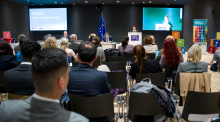
On 27 May 2025, the Belgian Contact Point to the European Migration Network (EMN) participated in a capacity-building session on guardianship and the quality of care for asylum-seeking children in the context of the EU Pact on Migration and Asylum. The seminar was organised by the European Network of Ombudspersons for Children (ENOC), in collaboration with OKaJu (Ombudsman for Children in Luxembourg – Ombudsman fir Kanner a Jugendlecher) and the Luxembourgish Contact Point to the EMN. The aim of the session was to discuss the impact of the new Pact on children in asylum procedures.
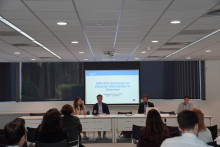
On 21 and 22 May 2025, the European Migration Network’s Return Experts Group (EMN REG) convened a two-day workshop, hosted by the Belgian Immigration Office and EMN Belgium. The event brought together 50 participants from EU Member States, EU agencies (including Frontex and the EU Asylum Agency), civil society organisations, and international organisations. The workshop focused on the development and implementation of effective alternatives to detention (ATDs) within the EU’s migration and return systems.
On 17 May, the International Day Against Homophobia, Biphobia and Transphobia (IDAHOBIT), the organisation Prisme has disclosed a set of recommendations highlighting the challenges faced by LGBTQIA+ individuals seeking international protection in Belgium. These findings point to several shortcomings in the reception and asylum system and outline measures to ensure more inclusive procedures.
Main Theme: Vulnerable groups, Reception, International Protection
Keywords: LGBTQIA+, applicant for international protection, reception centre, special needs, Training, inclusion

On 28 April 2025, Samusocial launched a new shelter dedicated to unaccompanied foreign minors living on the streets, often referred to as “wandering” minors. This centre aims to provide a safe and supportive space for young people with complex needs who do not have access to existing aid structures.
Main Theme: Vulnerable groups
Keywords: unaccompanied foreign minor, mental health, risk of exploitation, shelter
This data comes from Bruss’help’s eighth count, carried out through a large-scale collaboration across sectors and indicating a worsening trend of homelessness in Brussels. For the first time, data from reception centres for applicants for international protection were collected. Out of 5.135 individuals, 17 were required to leave their centre within 30 days without any housing solution, while 94 remained beyond their expected departure due to the lack of stable housing options.
Main Theme: Vulnerable groups
Keywords: homelessness, homeless, housing shortage, emergency shelter
The European Court of Human Rights ruled in the case of F.B. v. Belgium, finding that Belgium failed to provide sufficient procedural safeguards in the decision-making process regarding the applicant’s age assessment. The Court concluded that this process violated her right to respect for private life under Article 8 of the European Convention. In particular, it highlighted the lack of informed consent and the failure to explore less intrusive methods before conducting medical tests.
Main Theme: Vulnerable groups
Keywords: age assessment, minor, unaccompanied minors, right to respect for private life, bone test, consent, last resort
As of 7 January 2025, 160 additional emergency shelter places are made available for homeless people sleeping on the streets in the Brussels Capital Region, supplementing the existing 2.600 places within the Brussels unhoused shelter network. The emergency shelter places are open to all homeless people, regardless of residence status.
Main Theme: Vulnerable groups
Keywords: homeless shelter, extreme cold plan, homelessness
EMN Belgium visited the team of DEI Belgium - ECPAT to better understand each other's activities and deepen exchanges and opportunities for cooperation. EMN Belgium, for example, learned more about their work to protect migrant children and their parents in reception centres.
Main Theme: Vulnerable groups
Keywords: migrant child, sexual abuse, sexual exploitation
The Federal Public Service Justice is currently able to assign a guardian to an unaccompanied foreign minor within the normal period of 8 weeks. However, the demand for guardians remains high in Limburg, Antwerp and Brussels, and the Guardianship Service is still urgently looking for additional guardians.
Main Theme: Vulnerable groups
Keywords: unaccompanied minors, guardianship
18 November marks the European Day on the Protection of Children against Sexual Exploitation and Sexual Abuse. Children are the most vulnerable group in society and children who are migrating, especially if unaccompanied, face an increased risk of being subjected to violence, including sexual violence, exploitation, and human trafficking.
Main Theme: Vulnerable groups
Keywords: migrant child, sexual abuse, sexual exploitation
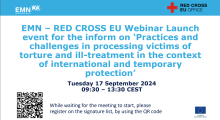
During a webinar on 17 September 2024, EMN Member and Observer countries and the Red Cross highlighted key practices and challenges in identifying victims of torture in the context of international and temporary protection. The experience of migrant torture survivors was further examined and ways to address their vulnerabilities were discussed.
Main Theme: Vulnerable groups
Keywords: victim, torture, traumatism, applicant for international protection, credibility assessment, vulnerability, special needs

The Federal Judicial Police reveals that unaccompanied foreign minors in Belgium and throughout Europe are recruited by criminal organisations and forced to carry out theft or drug trafficking. The Federal Police draws attention to this invisible phenomenon and asks to make it a priority for action.
Main Theme: Vulnerable groups
Keywords: unaccompanied minors, forced criminality
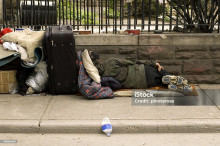
According to an announcement from the office of the Brussels Social Minister Alain Maron, 155 additional emergency places are opened today to accommodate homeless or poorly housed people in Brussels. The emergency shelter welcomes everyone, regardless of residence status.
Main Theme: Vulnerable groups
Keywords: homeless shelter, extreme cold plan, homelessness
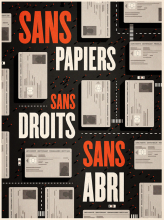
Samusocial, CIRÉ, Médecins du Monde, Ilot and the Brussels Platform Armoede have launched the campaign "Without papers, without rights, without shelter" to demonstrate the reality of undocumented persons and to propose concrete recommendations to policymakers in this field.
Main Theme: Vulnerable groups
Keywords: homeless, undocumented migrants, access to employment, access to healthcare, gender
The World Health Organization has published its first-ever global research agenda on health, migration and displacement to guide research efforts to understand and address the health needs of migrants, refugees, and all forcibly displaced populations and shape responsive policies and practices worldwide.