Publication date:
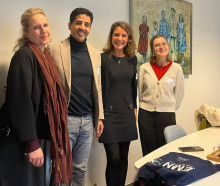
On 4 November 2025, two EMN Belgium colleagues met with the General Delegates for Children’s Rights, Caroline Vrijens (Flanders) and Souleymane Laqdim (French Community), accompanied by two of Ms Vrijens’ team members. The meeting was highly cordial and provided an opportunity for open discussion and in-depth dialogue on shared concerns and potential avenues for cooperation. Key topics included the challenges faced by migrant children in Belgium.
Read more

Publication date:
On 4 September, the non-profit organisation Mentor Jeunes held an online information session for families willing to foster unaccompanied foreign minors. The initiative highlighted foster care as an alternative to collective centres, offering children a safe and structured home environment. It also explained the individualised support available to both families and young people, aiming to encourage more households to consider joining the programme.
Read more
Main theme: Vulnerable groups
Keywords: unaccompanied foreign minor, foster family

Publication date:
In 2024, 774 unaccompanied foreign minors were reported missing in Belgium—nearly fifteen every week. Around 100 of these cases were considered particularly alarming. The figures, disclosed in response to a parliamentary question by MP Matti Vandemaele (Groen), rank Belgium among the European countries most affected by the phenomenon. Child protection organisations warn that structural gaps may hinder the identification and protection of vulnerable children.
Read more
Main theme: Vulnerable groups
Keywords: unaccompanied foreign minor, disappearance, trust, investigation

Publication date:
Fedasil has announced a further reduction in the number of reception places for unaccompanied foreign minors (MENA), with 279 places set to be withdrawn from the network by 1 September 2025. The measure, approved in April, comes in response to the continuing decline in arrivals observed since 2023. Most of the places concerned will be converted into generic reception places.
Read more
Main theme: Reception
Keywords: reception place, unaccompanied foreign minor

Publication date:
On 28 April 2025, Samusocial launched a new shelter dedicated to unaccompanied foreign minors living on the streets, often referred to as “wandering” minors. This centre aims to provide a safe and supportive space for young people with complex needs who do not have access to existing aid structures.