EMN Belgium participates in roundtable discussions on the World Bank Report of 2023 on Migrants, Refugees and Societies
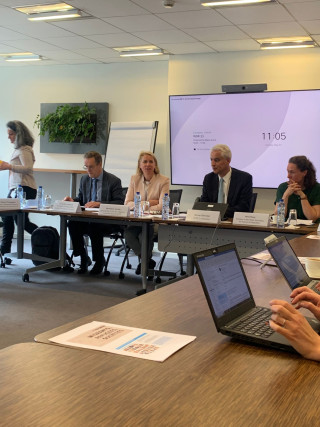
This morning, EMN Belgium participated in a roundtable, moderated by Special Envoy on Migration and Asylum Lieven De la Marche, with the contribution of representatives of the cabinet of the Secretary of State for Asylum and Migration, the Belgian Development Agency (Enabel) and the coalition for international solidarity (11.11.11). Belgian actors could share their views on the report which was presented to them.
In April 2023, the World Bank released its 2023 Report on Migrants, Refugees and Societies.
The report highlights inter alia the following key messages:
1. Migration is necessary for countries at all income levels.
2. Making migration better requires moving on two complementary fronts:
(i) strengthening the match of all migrants' skills and attributes with the needs of destination societies and
(ii) reducing the need for distressed movements.
- When migrants’ match is strong, the gains are large
- Destination countries should not let social and cultural controversies overshadow the economic gains from migration.
- Most migrants benefit greatly from their move and even more so when they have rights at the destination.
- Origin countries should actively manage migration for its development benefits.
- When migrants’ match is weak, costs need to be shared – and reduced – multilaterally
- Refugee situations should be managed as medium-term development challenges, and not just as humanitarian emergencies.
- Distressed migration needs to be reduced while respecting people’s dignity.
3. Making migration work better requires doing things differently, inter alia through:
(i) stronger international cooperation:
- bilateral cooperation to enhance migrants’ match (bilateral labour agreements, skills development...)
- multilateral cooperation to respond to movements driven by fear (responsibility-sharing for refugees...)
(ii) inclusive decision-making:
- underrepresented voices must be heard, including voices from developing countries, the private sector and local stakeholders as well as migrants and refugees.
For further information, including the full report, chapters and spotlights, summaries and press releases, please visit this page of the World Bank website.